天照大神に関する覚書
A Note on Amaterasu Omikami
Bottle No.2 大津皇子と持統女帝
1. はじめに
大津皇子(おおつのみこ)については、ネット記事にせよ、論文や小説、紀行等の出版物にせよ、語り尽くされた感があります。
とりたてての新しいネタといってはないのですが、ここでは彼を謀反(むほん)の罪で死に追いやった義母・持統(じとう)女帝の立場から大津皇子について振り返ってみようと思います。そこには、被害者、加害者という関係を超えて、権力に翻弄(ほんろう)される人たちの悲しみがあらわれているように思うからです。
2. 鵜野讃良皇女(うののさららのひめみこ)の誕生鵜野讃良皇女(うののさららのひめみこ)は、姉・大田皇女(おおたのひめみこ)とともに、中大兄皇子(のちの天智天皇)を父に、蘇我倉山田石川麻呂(そがのくらやまだいしかわまろ)の娘・遠智媛(おちのいらつめ)を母に生まれました。
石川麻呂と言えば、蘇我一族を裏切り、大化の改新において中大兄、中臣鎌足(なかとみのかまたり)に与して蘇我一族を滅亡に導いた人物です。ことを起こすにあって、中臣鎌足が中大兄に対し、ぜひ蘇我倉山田石川麻呂を味方に引き入れておくべきだと、そのためにも石川麻呂の娘・遠智媛(おちのいらつめ)を妻にもらうことを提案したのです。
こうして中大兄皇子と遠智媛(おちのいらつめ)は結ばれ、二人の間には、大田皇女(おおたのひめみこ)を筆頭(生年不詳)に、鸕野讃良皇女(645年生?)、建皇子(たけるのみこ)(651年生)の一男二女が誕生したのです。
なかでも、のちに持統女帝となる鸕野讃良皇女(うののさららのひめみこ)の誕生年に注目してください。大化の改新が起こったと同じ年、645年に生を受けているようなのです。蘇我氏滅亡という歴史的緊張状態の中での誕生です。さらにその4年後、父である中大兄が、母方の祖父であり大化の改新の功労者である蘇我倉山田石川麻呂(そがのくらやまだいしかわまろ)を謀反の罪で自害へと追い込んだのです。
この事件は、中大兄皇子と中臣鎌足(なかとみのかまたり)の陰謀だと言われていますが、これにより一族を裏切り生き残りをはかった石川麻呂も亡くなり、主だった蘇我一族のビッグネームは粛正され尽くされた感があります。
鸕野讃良皇女の母・遠智媛にとっては、夫が父を殺すという異常事態を受け入れがたかったのでしょう。その2年後、建皇子(たけるのみこ)を産み落として程なく、自ら命を絶ちます。母体が精神的な苦痛に追い込まれていたせいでしょうか、建皇子は生まれつき口が聞けず、しかも短命(8歳で没)だったと言います。
母が亡くなるや、鸕野讃良皇女(うののさららのひめみこ)は、姉の大田皇女(おおたのひめみこ)や弟の建皇子(たけるのみこ)とともに、祖母である皇極上皇(こうぎょくじょうこう)(のちの斉明女帝/以後の表記は混乱を避けるため斉明で通します)に引き取られました。斉明天皇は中大兄皇子の母にあたるわけですが、彼女は生まれついて口もきけない健(たける)を哀れみ溺愛(できあい)したようです。
なぜ、そんなことが分かるのかというと、「日本書紀」の斉明四年五月の条に「皇孫(みまご) 健の王(たけるのおおきみ)、八歳にして薨(かく)りたまひき」とあり、さらに斉明女帝(皇極上皇)が「哀(かなしみ)に忍(あ)へず、傷(いた)みたまふこと甚(はなは)だしく(中略)万歳千秋(よろずよ)の後には、かならず朕(わ)が陵(みさぎ)に合せ葬れ」と宣(のり)したと言うのです。
また大田皇女は、その母・ 遠智媛(おちのいらつめ)によく似た美しい娘で、父・ 中大兄にも祖母の斉明天皇にも可愛がられたようです。
というのは、「日本書紀」には、斉明天皇が亡くなるや、その子・中大兄は、斉明の陵墓に、自分の妹である間人皇女(はしひとのひめみこ)を合葬したというのです。さらに「この日、皇孫(みまご) 大田皇女を陵の前の墓に葬りき」とあります。つまり中大兄は、自分の愛した三人の女性、斉明は母として、間人皇女は妹としてまた愛人として、大田皇女はお気に入りの娘として、同日、同所に合葬したというのです。これからみても、大田皇女は、中大兄皇子や斉明天皇に愛されていた存在のように感じます。
これに対し、鸕野讃良皇女(うののさららのひめみこ)はといえば、姉や弟のように誰からも愛されるような性格ではなかったようで、父・中大兄皇子にとっても、祖母・斉明天皇にとっても、鸕野讃良皇女の影が非常に薄いように思われるのです。
のちの持統天皇、つまり鸕野讃良皇女について調べていくと、骨肉相争う環境の中で、祖父を父に殺され、それがもとで母も不幸な最期を遂げ、祖母・斉明天皇のもとに迎えられたとはいえ、誰に愛されることもなく孤独な少女時代を過ごした、そんな姿が見え隠れしてきます。
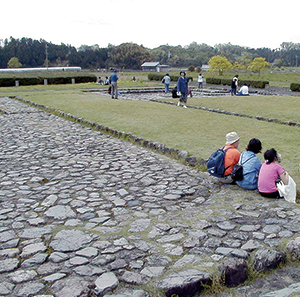
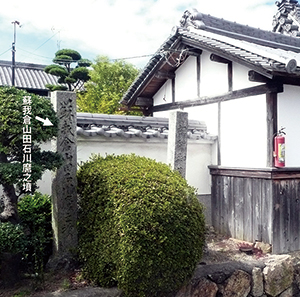
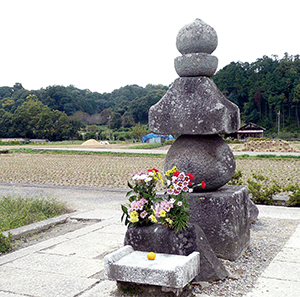
大化の改新の舞台となった飛鳥板葺宮伝承地 伝・蘇我倉山田石川麻呂の墓(大阪府太子町) 板葺宮で殺害された蘇我入鹿の首塚(飛鳥)
3. 大田皇女その鸕野讃良皇女(うののさららのひめみこ)が13歳(?)で嫁いだ相手が、中大兄の弟・大海人皇子(おおあまのみこ)、後の天武天皇です。しかも、ライバルとも言える姉の大田皇女(おおたのひめみこ)とともに、二人して大海人皇子に嫁いでいるのです。
ここで登場してくるのが額田王(ぬかたのおおきみ)です。美人としても歌人としても超有名ですが、この時点で額田は、すでに大海人皇子の娘、十市皇女(とおちのひめみこ)まで産んでいます。十市が誕生したのが653年前後とされていますので、大田皇女・鸕野讃良皇女が大海人に嫁したときは、5歳前後になっていたでしょうか。その額田王を、大海人の兄・中大兄が見そめたのです。あげくは、自分の妃(きさき)として差し出させました。そして、あたかもその見返しであるかのように、自分の娘である大田(おおた)・鸕野讃良(うののさらら)姉妹を大海人皇子に嫁がせていたのです。
これが本当だとすると、気の強い鸕野讃良皇女(うののさららのひめみこ)にとって、こんな屈辱的なことはないと思います。しかも嫁いでまで大海人をめぐって、姉と競い合わねばならないのです。
やがて鸕野讃良皇女が17歳の時、大海人との間に草壁皇子(くさかべのみこ)が誕生しました。662年のことだと言います。姉に先んじて大海人皇子の子ども、それも男子を産んだのですから、こんなにうれしいことはありませんでした。
ところが、その翌年には、今度は姉・大田皇女(おおたのひめみこ)と大海人との間に大津皇子(おおつのみこ)が誕生してくるのです。しかも成長するに従い、我が子・草壁に比し、大津は文武ともに優れた才人ぶりを発揮してきます。
大津皇子の誕生は、663年(天智2年)、百済救済の前線基地、那大津(なのおおつ 現在の福岡県那津)に生まれたと言われています。大津皇子の命名は、その出生からであり、姉の大伯皇女についても、大津誕生の2年前、九州へ向かう途上、大伯の海(岡山県倉敷の牛窓辺り)で生まれたため大伯皇女(おおくのひめみこ)と名付けられたとあります。
ただ、草壁皇子が大津皇子の前年に誕生したということについては腑に落ちないことがあり、稿を改めて考えてみたいと思いますが、ここではまずは662年に草壁皇子は大津皇子より1歳年上で誕生したということで話を進めていきます。
そんな草壁・大津兄弟ですが、鸕野讃良皇女(草壁の母)と大田皇女(大津の母)との関係が、一体、どんな影響を与えたのでしょうか?
その大田皇女が、667年2月、突然に亡くなります。鸕野讃良皇女が22才の頃ですから、それから見ても、随分)と若くして亡くなったことになります。母に似て、繊細で透き通るような美しさを持った人だったと言われています。
鸕野讃良皇女(うののさららのひめみこ)にとって、ついに最大のライバルが消えてしまったのです。
斉明天皇と間人皇女が合奏されたという
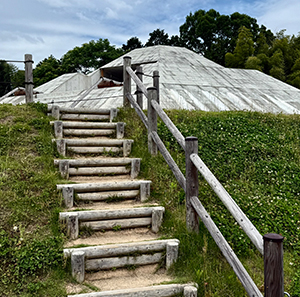
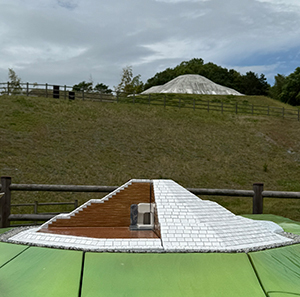
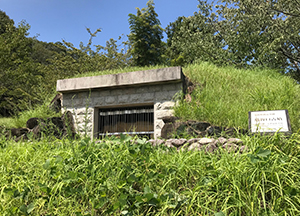
牽牛子塚古墳 (奈良県高市郡)牽牛子塚古墳の傍ある越塚御門古墳
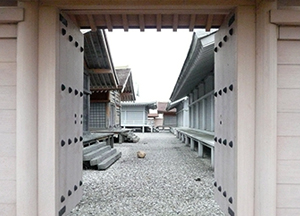
(大田皇女の墓と言われる)復元された八角形の牽牛子塚古墳と模型
(屋外に在って実物と並んで見られる)
4. 壬申の大乱その5年後、父・天智天皇(中大兄が斉明天皇の没後に即位)が亡くなります。
これが引き金となり、古代史上最大の内乱と言われる「壬申(じんしん)の乱」が勃発するのです。
兄をはばかり、出家し吉野に籠もっていた大海人(おおあま)皇子が、兄が亡くなるや否や、吉野を脱出し、東海の勢力を結集して、天智天皇を失った近江朝に戦いを挑んだのです。
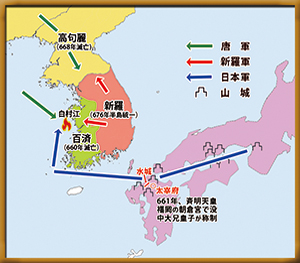
この戦いの背景には、韓半島(かんはんとう)を三分していた百済(くだら)が、新羅(しらぎ)・唐の連合軍に滅ぼされるという東アジアを揺るがした大激震が関係しています。百済が滅ぼされた後、残る高句麗(こうくり)も滅ぼされ、新羅(しらぎ)が韓半島を統一することになったのです。
大和朝廷はかねてより親百済の方針を貫いてきました。この方針を継承した天智体制は、百済支援のため日本から援軍を派遣したのですが、白村江(はくすきのえ)で大敗を決し、あわや新羅・唐連合軍が日本まで攻め込んでくるかもしれない、そんな危機的状況に追い込まれたのです。
その対策の一環として、太宰府に水城(みずき)が築かれるほか、飛鳥から近江への遷都(せんと)が決行されました。
最悪の事態を避けられたのは、新羅(しらぎ)と唐の間に分裂があったためです。唐は、百済(くだら)滅亡後、高句麗征伐(こうくりせいばつ)に乗り出し、その頃から、同盟国である新羅さえもターゲットとし、韓半島全体を傘下(さんか)に収めようと動き出していたのです。この動きを察知した新羅は、日本と手を結ぼうとします。しかし近江朝すなわち天智体制は、唐に服従し手を結ぶ路線で動き出しています。反面、百済難民を受け入れ、あわよくば百済の復興をバックアップすることで、韓半島に大和の支配権を及ぼそうとも考えていたようなのです。
これに対し、大海人皇子は、親新羅を背景に、大友皇子(天智の子)率いる近江朝廷軍に戦いを挑んだと思われます。
白村江の敗戦で、近江朝は唐の冊封国となる道を選びました。その日本国で内乱が勃発したのです。宗主国である唐は近江政権を守らねばならず、この内乱を口実にして、唐が日本に介入することになったかもしれないのです。
この唐の動きを阻止したのが新羅(しらぎ)です。
百済、高句麗(こうくり)の滅亡を機に、韓国をその支配下におこうと動き出した大唐帝国に対し、新羅が、今度は、百済や高句麗の遺臣とともに反撃を開始したのです。
この韓半島での動きに助けられて、大海人皇子(おおあまのみこ)の軍は内乱を決行し、近江町を滅ぼすに至ったのです。
壬申の乱とは、ただ単に兄弟同士の権力争いでなく、大唐帝国の進出、韓半島の統一、大和朝廷の新体制確立、これらのパワーバランスのうえで、起こるべくして起こった争乱のように感じます。
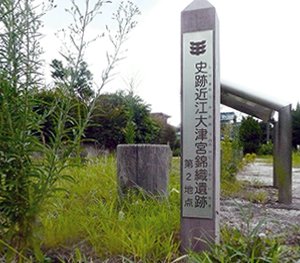
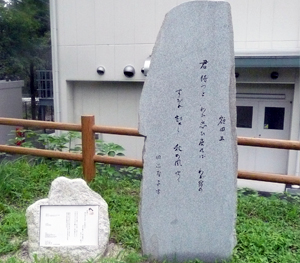
史跡近江大津京錦織遺跡(滋賀県大津市) 白村江の戦い 唐・新羅・百済・高句麗・日本の動き 近江大津京遺跡に建てられた額田王の歌碑
5. 鸕野讃良皇后(うののさららのこうごう)、権力に目覚めるこうして勃発した壬申(じんしん)の乱は、鸕野讃良皇女(さららのひめみこ)にとって大きな意味を持っていました。
この決起によって、大海人皇子と鸕野讃良皇女との関係は、夫婦の絆を超えて政権簒奪を目的とした同志的なつながりへと発展していったようです。
天武政権は、天皇が軍事、神事、政治すべてを直轄し、絶対王権を確立したものでしたが、ただ一つ、鸕野讃良皇后(うののさららこうごう)だけにはすべてを相談するという、夫婦共同統治体制だったように感じられます。
このようなことから見ても、壬申の乱にいたる計画の背後には鸕野讃良皇女(さららのひめみこ)がフィクサーとしてあるように感じられてなりません。
日本書紀には「皇后は、終始天皇を助けて天下を安定させ、常に良き助言で、政治の面でも補弼(ほひつ)の任を果たされた」と、鸕野讃良皇后が積極的に政治に関与していたことを述べています。
夫・大海人と協力し、吉野を脱出し、近江政権打倒のために辿った道程は、彼女にとっては忘れがたい思い出であり、ワクワクするような政治的冒険行だったように思われます。
夫婦でつくり出した王朝 ――。
彼女は、これを誰にも渡したくなかったのではないでしょうか。特に、姉・大田皇女の子「大津皇子」にだけは渡したくなかった筈です。
と同時に、我が「草壁皇子」にも渡せない。肉親の情は抜きにして、大津、草壁、どちらが政権を取っても、不満が残り、その不満を火種として、第二の壬申の乱が起こるに違いないのです。
天武が崩御した後の動きを、政治家・鸕野讃良皇后は、このように推測していたと思われます。
6. 天武天皇の子供たち天武のおもな子供たちを列記してみます。
◎ 兄・天智の娘たちとの間には、
皇后である鸕野讃良(うののさらら)との間に「草壁皇子」
大田皇女(おおたのひめみこ)との間に「大伯皇女(おおくのひめみこ)」と「大津皇子(おおつのみこ)」
大江皇女との間に「長皇子(ながのみこ)」と「弓削皇子(ゆげのみこ)」
新田部皇女との間に「舎人皇子(とねりのみこ)」
◎有力豪族の娘たちとの間には、
藤原鎌足の娘・五百重娘(いおえのいらつめ)との間に「新田部皇子(にいたべのみこ)」
蘇我赤兄(そがのあかえ)の娘・大蕤娘(おおぬのいらつめ)との間に「穂積皇子(ほづみのみこ)」
◎地方豪族の娘たちとの間には、
尼子娘(あまこのいらつめ)との間に「高市皇子(たけちのみこ)」
額田王(ぬかたのおおきみ)との間に「十市皇女(とおちのひめみこ)」
宍人媛娘(ししとのかじひめのいらつめ)との間に「忍壁皇子(おさかべのみこ)」と「磯城皇子(しきのみこ)」
と、分かっているだけを拾い出しても、12名が数えられます。
このほか、兄・天智天皇の息子2人、「河島皇子(かわしまのみこ)」と「芝基皇子(しきのみこ)」をあわせ14名。うち男子12名が皇位継承候補者となり、さらに家柄等を考慮していくと、現皇后が生んだ「草壁皇子」と、現皇后の姉が生んだ「大津皇子」の2人に絞り込まれます。
天武という英雄が亡くなった後、どのようにして皇位を継承し、どのように政権を引き継いでいくか、簒奪(さんだつ)して得た王権だけに、ここで武力による革命をストップし、安定した体制をつくり出す必要があります。にもかかわらず、天智vs天武という、自分たち兄弟の争いが、自分の死後にも、草壁 vs 大津という対立が起こりうる可能性が大なのです。本人たちにその気がなくとも、2人を取り巻く人間関係が、自分たちに有利な天皇を立てようと争乱が起こるのは必至です。
そこで天武は、主だった息子たちを集め、鸕野讃良皇后(うののさららこうごう)とともに、「壬申の乱」発端の場所、吉野山へとやってきました。目的地は、吉野の奥、宮滝にある「吉野宮」。伴ってきたのは、草壁皇子を筆頭に大津皇子(おおつのみこ)、高市皇子(たけちのみこ)、忍壁皇子(おさかべのみこ)、それに天智の子、河島皇子(かわしまのみこ)、芝基皇子(しきのみこ)の六名です。
現政権のスタート地点に立って、天武天皇が諸皇子に問いかけます。
「朕(ちん)、今日、汝(なんじ)らとともに庭にて盟(ちか)ひて、千歳(千年)の後にことなきことを欲す。いかに。」
そこで、皇位継承の筆頭・草壁が 答えます。
「天神地祇(てんしんちぎ)および天皇(すめらみこと)、証(あき)らめたまへ。吾、兄弟長幼併(あわ)せて十余り、各々、異腹より出でたり。然れども、同じきと異れると別かれず、倶(とも)に天皇の勅に随ひ、相扶(たす)け忤(さから)ふることなし。もし今より以後、この盟(ちか)ひの如くにあらずは、身命滅(ほろ)び子孫絶(た)えむ。忘れじ、失せじ。」
続く大津以下五名も同様に、「母は違っても兄弟力を合わせ、天皇の言われるよう、千年の後までも争うことなく政権を維持してまいります」と、それぞれが誓いを立てたのです。
これを「吉野の盟約」と言いますが、この「吉野の盟約」を提唱せざるを得なかったほど、後継者問題は深刻だったように感じます。
史跡・吉野宮瀧遺跡(奈良県吉野郡) 藤原宮跡(奈良県橿原市) 斎宮御所復元模型(三重県多気郡)
7. 大津皇子の悲劇では次に、大津皇子とはどのような人だったのかを見ていきましょう。これがまた、画に描いたような逸材ぶり。反逆罪で処刑された人にもかかわらず、体制側が編纂(へんさん)した「日本書紀」にさえ、文武両道に優れ、姿形もすばらしいと、ほめちぎっているのです。
では「壬申の乱」で大活躍した人かというと、長兄の高市皇子は大活躍したのですが、大津皇子はというと、天智帝に愛され、近江朝に留め置かれていたのです。それは天智のお気に入りの娘・大田皇女にそっくりなうえ、リーダーとしての資質に優れていたということもあるのですが、僕の思うのは、人質だったのではないか、そう思えてなりません。
大津は天武帝の若い頃にそっくりだと言われ、ルール破りの英雄気質。こんな奴を出家したとはいえ大海人皇子(おおあまのみこ)のもとに置いた日には二人で何をしでかすか分かったものではありません。膝元に置いて監視し、なおかつ人質として大海人皇子の足枷(あしかせ)にするのが懸命というものです。
こんな訳ですから、天智帝が崩御してからも、大津は、近江朝に留め置かれました。
これを助けたのが、額田王(ぬかたのおおきみ)だと思うのです。もとは大海人の愛人だったものを、天智帝に気に入られ、大海人皇子との間に十市皇女(とおちのひめみこ)まで生まれているというのに、天智の妃とされた人物です。
その額田王が、壬申の乱勃発(ぼっぱつ)に際し、大津皇子を近江から脱出させ飛鳥へと逃したようなのです。
その大津皇子ですが、天武帝が没するやいなや、謀反の罪で捕らえられます。
日本書紀には、「朱鳥(あかみどり)元年(六八四年)九月九日、天武天皇が崩御され、皇后は即位の式もあげられぬまま、政務を執られた」とあり、続いて
「冬十月二日、皇子(みこ)大津の謀反が発覚して、皇子を逮捕し、合わせて皇子大津に欺かれた(中略)新羅の沙門行心(ほうしこうじん)と帳内礪杵道作(とねりのときのみちつくり)ら三十余人を捕らえた。」
天武崩御後、一月も経たぬ間に大津皇子は捕縛され、翌日には処刑されるという慌ただしさです。
「三日、皇子大津に訳語田(おさだ)の舎(いえ)で死を賜った。時に年二十四。妃の山辺皇女(やまのべのひめみこ)は髪を乱し、はだしで走り出て殉死した。見る者は皆すすり泣いた。皇子大津は天武天皇の第三子で、威儀備わり、言語明朗で天智天皇に愛されておられた。成長されるに及び有能で才学に富み、とくに文筆を愛された。この頃の詩賦(しふ)の興隆は、皇子大津に始まったといえる。」
あまりに急すぎます。謀反の罪が発覚したのも急なら、捕縛(ほばく)も急で、翌日にはろくろく取り調べもなされず刑が執行(しっこう)されています。
反対派の動きを恐れての急な処置でしょうが、ともかく殺してしまえば、後は何とでも取り繕(つくろ)える、そんな感じです。
しかも、この月の末には、逮捕された関係者のほとんどが許されています。大津一人が悪者で、みんなは欺(だま)されただけ「止(や)むを得なかった」、「従者で皇子に従った者は、みな赦(ゆる)す」というのです。
その謀反の張本人を「日本書紀」は、「威儀備わり、言語明朗で(中略)成長されるに及び有能で才学に富み、とくに文筆を愛された。この頃の詩賦(しふ)の興隆は、皇子大津に始まったといえる」と、誉めそやすのです。
為政者側に後ろめたさがあって、このような表記になったのでしょうか。普通なら、蘇我氏の例にもあるように、朝廷をないがしろにした大悪人に仕立て、仕方なく処罰したとするのが常套(じょうとう)手段です。
それをしなかったのは、大津の人となりを知る人間が多く、あまりにも嘘くさいことは言えなかったとも考えられます。
でも実際のところは、「天武天皇崩御後、政権を平和裡に存続させるにはどうするのがベストか?」
これに対する鸕野讃良皇后(うののさららこうごう)の究極の答えが、この措置(そち)だったように思えます。大津、草壁、どちらが政権を取っても、不満が残り、その不満を火種として、第二の壬申の乱が起こるに違いないのです。
大津を処置した後、残るは、我が子草壁ですが、天皇という絶対王権が確立しておれば、英雄肌の大津皇子より、存外、草壁皇子のほうが新しいリーダーに成りえたのかもしれません。しかし、「天皇」という絶対王権確立への道は、未だその途上と言えます。皇后の心は、この殯の期間、千々に乱れたのではないでしょうか?
ところが草壁は、天武天皇の殯(686年9月~688年11月)の喪主を務め、殯(もがり)の明けた翌年4月、27歳で早世してしまったのです。病死とされていますが、死因は不明。僕などは、大津ばかりか、草壁まで、皇后が殺めたのではと思ったこともありました。真相は歴史の闇の中ですが、最近、感じるのは草壁が自ら死を望んだように思えてなりません。
「自死」こそが、草壁にできる唯一の収拾策でもあり、彼の心の叫びだったように思えるのです。世が世であれば、草薙と大津は、良い友であり、良い仲間、良い兄弟だったように思えてなりません。
どちらが兄でどちらが弟だったかは、草壁の出生の事情が不明のためハッキリしませんが……。
飛鳥にある天武天皇の殯宮跡(今は天武・持統陵) 今は埋め立てられた磐余池の跡(奈良県橿原市) 大津皇子の屋敷跡と野良猫(奈良県桜井市)
8. 大津皇子の死について思う686年10月1日(朱鳥元年9月9日)、天武天皇が崩御し、その二日後、飛鳥浄御原宮(あすかきよみはらのみや)の南庭に殯宮(もがりのみや)が設営されました。殯(もがり)というのは、遺体を仮安置し、別れを惜しみ、死者の復活を願う儀式のことです。
この頃、仏教は導入されていましたが、未だ火葬は行われておらず、遺体が白骨化し、「死」が確かなものになるまで殯は続きます。その殯(もがり)の期間、遺体を安置する建物を殯宮(もがりのみや)と言うのです。普通は半年ぐらいの期間なのですが、天武の場合、2年2ヶ月に及んでいます。これだけ長期間の殯(もがり)は、史上例を見ないのですが、それは、この殯中に大津皇子(おおつのみこ)の謀反(むほん)が発覚したためかも知れません。また迷い動く皇后の心を反映しているのかも知れません。
かくして、10月16日(9月24日)、殯が開始されましたが、その8日後、大津皇子の謀反が発覚したのです。おそらく大津は、その殯の場で捕らえられ、訳語田(おさだ)にある彼の屋敷まで引き立てられていったのではないでしょうか。
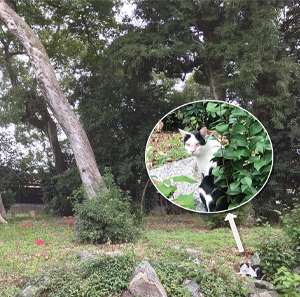
大津皇子が住んだ訳語田の屋敷跡は、現在は春日神社となって、繁華な町の一角で、ここだけ巨木の茂る不思議な空間になっています。木の根元では昼寝でもしていたのでしょうか、野良猫がむっくりと起き上がり、珍しそうにこちらを見やっています。
映画「空海」では、楊貴妃(ようきひ)の棺を守る黒猫が登場しますが、まるで大津皇子の屋敷跡を守ってでもいたかのような登場ぶりには、そこに猫がいるとは思っていなかったため頗(すこぶ)るびっくりさせられた次第です。
この訳語田の屋敷跡から磐余池(いわれいけ)の跡地までは、約2.5キロ、自転車で10分ばかりです。現在は埋め立てられていますが、当時は船遊びが出来るほどの大きな池だったようです。
大津皇子は、飛鳥の地から、訳語田(おさだ)の屋敷へ引き立てられる途中、この池の畔にさしかかり、「ももづたふ磐余池に鳴く鴨を今日のみ見てや雲隠りなむ」の歌を詠んだといわれています。
飛鳥浄御原宮(あすかきよみはらのみや)跡からこの磐余池跡までは、ほぼ3.6キロ、自転車で走っても15分ぐらいの距離です。
ところで、日本書紀には、大津皇子は自宅で死を賜(たまわ)ったとなっていますが、僕の幻覚なのか、大津は、この池の畔で、縊死させられたか、水死させられたように思えてならないのです。
この頃は、血は汚れとして忌み嫌われ、特に皇族や神事に携わる者は斬り殺されることはなく、縊(くび)り殺されるのが普通でした。しかし、大津の場合、なぜか水のイメージが付きまといます。水に溺れながら、遠くに鴨の声を聞いていたのかもしれません。
大津皇子は、この池の畔で刑死し、その遺骸が馬で運ばれ山辺皇女(やまのべのひめみこ)の待つ屋敷へと運ばれたのではないでしょうか? 遺骸となって帰った大津を見て、悲しみのあまり、山辺皇女が、後を追って殉死(じゅんし)したのでは……?
磐余池(いわれいけ)のあった場所に立ってみると、そんなイメージが頭の中に広がっていきます。
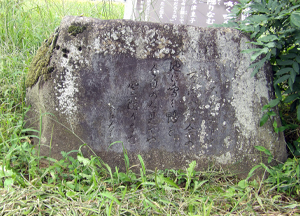
磐余池跡に置かれた岩塊には、「ももづたふ磐余の池に鳴く鴨を 今日のみ見てや雲隠りなん」と、大津の辞世が刻まれていました。
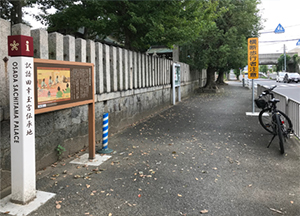
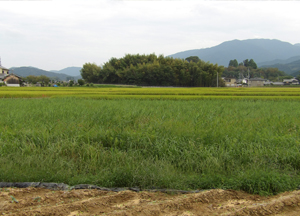
大津皇子の屋敷跡(奈良県桜井市 春日神社) 磐余池の跡におかれた辞世の句碑(奈良県橿原市) 今は埋め立てられた磐余池の跡(奈良県橿原市)
9. おわりに大津の刑死から2年が過ぎた688年(持統2年)11月、天武天皇の遺体が大内稜に葬(ほうむ)られ、2年2箇月におよぶ殯(もがり)が幕を閉じました。
翌年1月(西暦では2月)、持統天皇がいよいよ即位することになるのです。
そして、その年の5月、草壁皇子が、27歳で即位することなく急逝します。
ところで、大津皇子(おおつのみこ)の墓所として知られているものが、二上山の雄岳山頂にあります。また、その麓の鳥谷口というところにも被葬者不明の古墳が存在し、これこそ大津皇子の墓所ではないかといわれています。
この2箇所ともに何度か訪問させていただきましたが、最初の印象では、鳥谷口古墳こそが大津皇子の墓所に違いないと感じたものでした。
ところが今回、この稿を書くにあたって、持統天皇の側から大津皇子をたぐっていくと、別な閃きを感じるのです。
それは、「どちらも共に、大津皇子の墓所に違いないのでは……」と感じるのです。
小字名「鳥谷口」――地名から、この地が風葬地であったことが感じられます。仏教が伝わるまでは、火葬という風習はありませんでした。仏教が入ってからも、下々の者の遺骸は火葬されず山に捨てられていました。
京都の鳥辺野では、遺体は木に吊され鳥に肉を食らわせるという鳥葬が行われていました。
鳥谷口は、二上山の麓というか谷ともいうべき地。二上山山頂が「天の二上」と呼ばれる「天の水」を得るための聖地であるなら、まさに、この鳥谷口は「地の二上」――死者の国とも呼ばれる風葬・鳥葬の場所だったのではないでしょうか。
謀反の罪で刑死した大津皇子の墓所として最初に営まれたのが、この鳥谷口古墳だったように思います。
この後、草壁皇子が変死を遂げますが、その変死の原因を大津皇子の祟りにすることで、草壁の死因をぼかしてしまうことが計画されました。
こうして、鸕野讃良皇后(うののさららこうごう)が持統天皇として即位することで、彼女の描いたビジョンが一区切りすることになったわけです。
争いによることなく皇位が継承され、夫・天武天皇との合作である、新たな律令国家を目指す第一歩が踏み出されたのです。
この話は、また別の項で。
そして、この後の皇位を草壁の遺児である軽皇子(後の文武天皇)に継がせようとしたのです。孫への皇位継承など前代未聞で前例がありません。しかし、たった一つだけ前例があります。天武朝に入って国家神とされた「天照大神」。そして、創作された「天孫降臨神話」。
そうです。天照大神は我が子でなく、孫の瓊瓊杵尊(ににぎのみこと)に三種の神器を持たせ日本の統治権をゆだね、地上へと下したのです。
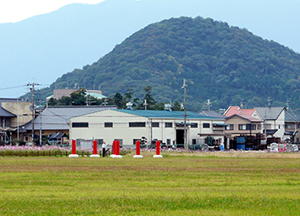
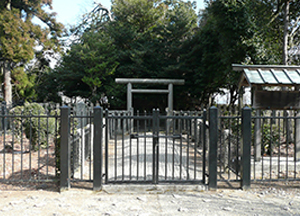
大津皇子の二上山墓(奈良県葛城市) 二上山麓の鳥谷口古墳(奈良県葛城市) 大津皇子の祟りを鎮めるため建立された龍王社
(奈良県新薬師寺境内)
Bottle No.2 – Prince Ōtsu and Empress Jitō
1. IntroductionWhen it comes to Prince Ōtsu, there seems little left unsaid. Countless articles, papers, novels, and travel writings have already taken him up as their subject.
What I attempt here is not to unearth some entirely new perspective, but rather to look back at him from the position of his stepmother, Empress Jitō—the one who ultimately condemned him to death on the charge of treason. In that story, I sense a sorrow that transcends the roles of victim and perpetrator, a sorrow born of human lives tossed about by the currents of power.
2. The Birth of Princess UnonosararaPrincess Unonosarara (later Empress Jitō) was born, together with her elder sister Princess Ōta, as a daughter of Prince Naka no Ōe (later Emperor Tenji) and Ochi no Iratsume, the daughter of Soga no Kurayamada Ishikawamaro.
Ishikawamaro is remembered as the man who betrayed the Soga clan. During the Taika Reform, he sided with Naka no Ōe and Nakatomi no Kamatari, helping to bring about the downfall of his own kin. It was Kamatari who urged Naka no Ōe to secure Ishikawamaro as an ally, even suggesting that he take Ishikawamaro's daughter Ochi no Iratsume as his wife.
Thus Naka no Ōe married Ochi no Iratsume, and three children were born: Princess Ōta (eldest, birth year unknown), Princess Unonosarara (born in 645 CE), and Prince Takeru (born in 651 CE).
Particularly striking is that Unonosarara—destined to become Empress Jitō—was born in 645 CE, the very year of the Taika Reform. Her birth came in the midst of the political upheaval and tension surrounding the destruction of the Soga clan. Only four years later, Naka no Ōe drove his wife's father, Ishikawamaro—the very man who had been instrumental in the reform—to his death on charges of treason.
This incident is widely believed to have been a plot by Naka no Ōe and Kamatari. With it, Ishikawamaro perished, and the prominent names of the Soga clan were all but wiped out.
For Ochi no Iratsume, the reality that her husband had caused her father's death must have been unbearable. Not long after giving birth to Prince Takeru two years later, she took her own life. Some have wondered whether the heavy mental anguish she endured during pregnancy affected her son, for Prince Takeru was mute from birth and died young at the age of eight.
After their mother's death, Unonosarara, together with her elder sister Ōta and younger brother Takeru, was taken in by her grandmother, the retired Empress Kōgyoku (later re-enthroned as Empress Saimei). Saimei, mother of Naka no Ōe, is said to have pitied the mute boy Takeru and doted on him.
The Nihon Shoki records, under the entry for the fifth month of Saimei's fourth year, that "Prince Takeru, the imperial grandchild, passed away at the age of eight." It further notes that Empress Saimei, unable to endure her grief, declared: "Let him without fail be buried with me in my own tomb in ages to come."
Princess Ōta, meanwhile, is described as a beautiful woman who strongly resembled her mother Ochi no Iratsume. Both her father Naka no Ōe and her grandmother Saimei cherished her. When Saimei died, Naka no Ōe interred his sister Princess Hashihito (both sister and lover to him) within Saimei's tomb, and on the same day buried his daughter Princess Ōta before it. Thus he had three beloved women—his mother Saimei, his sister Hashihito, and his daughter Ōta—laid to rest together.
By contrast, Unonosarara seems not to have possessed the same winsome nature as her sister or brother. To both her father Naka no Ōe and her grandmother Saimei, her presence appears faint, her figure little noticed.
In tracing her life—this girl who would later become Empress Jitō—we see the outlines of a childhood scarred by strife within her own family: a grandfather slain by her father's hand, a mother driven to despair and suicide, and a grandmother's household that offered her scant affection. It was in this lonely, loveless environment that she was raised, and that early solitude seems to have shaped the woman she became.
Site traditionally identified as the Asuka Itabuki Palace, the stage of the Taika Reform Tomb traditionally attributed to Soga no Kurayamada no Ishikawamaro (Taishi Town, Osaka Prefecture) Mound believed to mark the burial of the head of Soga no Iruka, who was assassinated at the Itabuki Palace (Asuka)
3. Princess ŌtaAt the age of thirteen, Princess Unonosarara married Prince Ōama, younger brother of Naka no Ōe—later Emperor Tenmu. Remarkably, she entered this marriage together with her elder sister Princess Ōta; both sisters became consorts to Prince Ōama.
Here another figure enters the story: Nukata no Ōkimi. Renowned both for her beauty and for her poetry, she had already borne Prince Ōama a daughter, Princess Tōchi, around 653 CE. Thus, when the sisters Ōta and Unonosarara married Prince Ōama, his daughter Tōchi would have been about five years old. Yet Nukata caught the eye of Prince Naka no Ōe, Ōama's elder brother. He compelled Ōama to yield Nukata to him as his consort. In return—or so it seemed—Naka no Ōe gave his own daughters, Princesses Ōta and Unonosarara, in marriage to Ōama.
If this account is true, it must have been a humiliation of the deepest sort for the strong-willed Unonosarara. Not only was she forced into this arrangement, but even within marriage she had to compete with her own sister for her husband's favor.
In 662 CE, when Unonosarara was seventeen, she gave birth to a son by Prince Ōama—Prince Kusakabe. To have borne a child before her sister, and a male heir at that, was a source of immense joy and pride for her.
Yet only a year later, in 663 CE, her sister Princess Ōta gave birth to Prince Ōtsu. As he grew, Ōtsu revealed himself to be exceptionally gifted in both the literary and martial arts—outshining Kusakabe in many respects.
Prince Ōtsu is said to have been born at Nao no Ōtsu (modern-day Natsu in Fukuoka Prefecture), the forward base for Japan's doomed attempt to aid Baekje. His name, "Ōtsu," derived from his birthplace, just as his elder sister Princess Ōku had been named. Two years before his birth, Ōku had been born near the sea at Ōku (modern-day Ushimado in Kurashiki, Okayama), and so she was given that name.
There are unresolved questions about the chronology—particularly whether Kusakabe was truly born a year before Ōtsu. For the purposes of this discussion, I proceed on the conventional understanding that Kusakabe was the elder, born in 662 CE.
What influence, then, did the rivalry between their mothers—Unonosarara (mother of Kusakabe) and Ōta (mother of Ōtsu)—have upon these two brothers?
In February 667 CE, Princess Ōta died suddenly. Unonosarara was twenty-two years old at the time. Ōta, said to have inherited her mother's delicate, translucent beauty, had died still very young.
For Unonosarara, her greatest rival was at last gone from the stage.
Kengoshizuka Tumulus, where Empress Saimei and Princess Hashihito are said to have performed music together (Takaichi District, Nara Prefecture) Koshizuka-no-Mikado Tumulus, located beside the Kengoshizuka Tumulus (said to be the tomb of Princess Ōta) Reconstructed octagonal Kengoshizuka Tumulus and its scale model (displayed outdoors alongside the actual site)
4. The Jinshin WarFive years later, Emperor Tenji—formerly Prince Naka no Ōe—died.
His death set off what is remembered as the largest civil conflict of ancient Japan: the Jinshin War.
Prince Ōama, who had withdrawn into monastic seclusion in Yoshino out of deference to his elder brother, left the mountains the moment Tenji died. He rallied the forces of the eastern provinces and marched against the Ōmi court, now leaderless with Tenji's passing.
Behind this struggle lay the great upheavals in East Asia. The Korean peninsula, once divided among three kingdoms, saw Baekje fall to the combined armies of Silla and Tang. Soon afterward, Goguryeo too was destroyed, leaving Silla as the unifier of the peninsula.
The Yamato court had long pursued a pro-Baekje policy. Continuing this line, the Tenji regime dispatched troops to support Baekje, only to suffer a crushing defeat at the Battle of Baekgang (Hakusukinoe) in 663 CE. For a moment, it seemed as if the Tang–Silla forces might invade Japan itself.
As a defensive measure, the Mizuki Fortress was constructed at Dazaifu, and the capital was moved from Asuka to Ōmi.
Japan narrowly avoided the worst-case scenario because of a rift between Silla and Tang. After Baekje's fall, Tang launched its campaign to subjugate Goguryeo and, in the process, began to cast its ambitions even on its ally Silla. Perceiving this, Silla reached out to Japan. Yet the Ōmi court—that is, the Tenji regime—leaned toward submission to Tang, seeking alliance there instead. At the same time, it entertained hopes of backing Baekje refugees in a bid to restore Baekje and expand Yamato influence over the peninsula.
In contrast, Prince Ōama seems to have stood on a pro-Silla footing when he raised his forces against the Ōmi army, led by Prince Ōtomo, son of Tenji.
The defeat at Baekgang had pushed the Ōmi court toward becoming a vassal state under Tang. It was in this Japan, on the verge of subordination, that the civil war broke out. As suzerain, Tang would have been obliged to protect the Ōmi regime; the Jinshin War could easily have provided the pretext for Tang to intervene directly in Japan.
Yet it was Silla that blocked Tang's advance. In response to Tang's moves to dominate the peninsula, Silla launched a counteroffensive together with the remnants of Baekje and Goguryeo.
Thanks to this struggle on the Korean peninsula, Prince Ōama was able to press forward with his insurrection, ultimately overthrowing the Ōmi regime.
Thus, the Jinshin War was far more than a fraternal quarrel for power. It was a conflict born of necessity, shaped by the expansion of the Tang empire, the unification of the Korean peninsula, and the establishment of a new order within the Yamato state—a clash written into the very balance of power across East Asia.
Historic Site: Nishikori Ruins of the Ōtsu Palace, Ōmi Province (Ōtsu City, Shiga Prefecture) The Battle of Baekgang: movements of Tang China, Silla, Baekje, Goguryeo, and Japan Monument bearing a poem by Princess Nukata, erected at the ruins of the Ōmi Ōtsu Palace
5. Empress Unonosarara Awakens to PowerFor Princess Unonosarara, the Jinshin War carried profound significance.
Through that uprising, her relationship with Prince Ōama evolved beyond the bond of husband and wife into that of comrades in a joint struggle for the seizure of power.
The Tenmu regime, which emerged victorious, established an absolute monarchy: the emperor directly commanded military, ritual, and political affairs. Yet in one respect it differed—Tenmu is said to have consulted only one person in all matters: Empress Unonosarara. Their rule bore the character of a joint sovereignty between husband and wife.
Seen in this light, it is difficult not to sense Unonosarara's hand behind the very planning of the uprising, acting as a hidden strategist in the shadows.
The Nihon Shoki records: "The empress, throughout, aided the emperor in stabilizing the realm, ever offering sound counsel and fulfilling her duty of support in political matters." Clearly, she was deeply and actively engaged in governance.
Her flight from Yoshino, her march alongside Ōama, and the struggle to topple the Ōmi court must have been unforgettable experiences for her—an exhilarating political adventure undertaken at her husband's side.
Together, they had founded a dynasty.
This, she could not have wished to relinquish to anyone. Least of all to Prince Ōtsu, the son of her rival sister Princess Ōta.
And yet, neither could she freely hand it to her own son, Prince Kusakabe. Stripped of maternal affection, the matter was brutally clear: whichever of the two—Ōtsu or Kusakabe—claimed power, resentment would remain, resentment that could all too easily ignite a second Jinshin War.
As a politician, Empress Unonosarara must have anticipated just such a future once Emperor Tenmu passed away.
6. The Children of Emperor TenmuLet us list the principal children of Emperor Tenmu.
With the daughters of his elder brother, Emperor Tenji:
- With his empress, Princess Unonosarara: Prince Kusakabe
- With Princess Ōta: Princess Ōku and Prince Ōtsu
- With Princess Ōe: Prince Naga and Prince Yuge
- With Princess Niitabe: Prince Toneri
With the daughters of powerful aristocratic families:
- With Ioe no Iratsume, daughter of Fujiwara no Kamatari: Prince Niitabe
- With Ōnu no Iratsume, daughter of Soga no Akae: Prince Hozumi
With the daughters of provincial chieftains:
- With Amako no Iratsume: Prince Takechi
- With Nukata no Ōkimi: Princess Tōchi
- With Shishito no Kajihime no Iratsume: Prince Osakabe and Prince Shiki
Even with only those known, the total comes to twelve.
In addition, there were two sons of Emperor Tenji—Prince Kawashima and Prince Shigeki. Together they make fourteen princes, of whom twelve were potential candidates for the throne. Yet, considering maternal lineage and political circumstances, the contest narrowed to two: Prince Kusakabe, son of the reigning empress, and Prince Ōtsu, son of her elder sister Princess Ōta.
After the death of Tenmu, the question was how to transfer the throne and the government he had seized through force of arms. Precisely because the monarchy had been won by revolution, it was essential to halt further upheaval and establish stability. And yet, the very pattern of conflict—Tenji versus Tenmu—threatened to repeat itself in the rivalry of Kusakabe versus Ōtsu. Even if neither prince himself harbored such intent, their entourages would surely contend to enthrone whichever figure favored their interests, making strife inevitable.
It was for this reason that Emperor Tenmu gathered his leading sons and, together with Empress Unonosarara, journeyed to Yoshino—the very place where the Jinshin War had begun. Their destination was Yoshinomiya at Miyataki, deep in the Yoshino mountains. Those who accompanied them were six princes: Kusakabe, Ōtsu, Takechi, Osakabe, and Tenji's sons Kawashima and Shigeki.
Standing at the symbolic starting point of his reign, Emperor Tenmu addressed them:
"Today I swear with you in this courtyard that there be no discord even a thousand years hence. What say you?"
To this, Prince Kusakabe, foremost in the line of succession, replied:
"May the heavenly and earthly deities, and the Emperor himself, be witness. We, your more than ten sons, though born of different mothers, will make no distinction among ourselves. United, we will follow the Emperor's command, and never oppose one another. Should we fail in this oath, may our bodies perish and our lines be extinguished. We shall never forget; we shall never forsake it."
Prince Ōtsu and the others likewise pledged: though of different mothers, they would stand as brothers, uphold the Emperor's will, and preserve the government without strife even a thousand years into the future.
This came to be called The Oath of Yoshino. That such an oath had to be formally sworn suggests how grave the succession issue already loomed.
Historic Site: Taki Ruins of the Yoshino Palace (Yoshino District, Nara Prefecture) Fujiwara Palace Ruins (Kashihara City, Nara Prefecture) Reconstructed scale model of the Saikū Imperial Residence (Taki District, Mie Prefecture)
7. The Tragedy of Prince ŌtsuLet us now consider who Prince Ōtsu truly was. By every account, he was a man of extraordinary gifts. Even the Nihon Shoki—compiled under the authority of the ruling regime that condemned him for treason—lavishes praise upon him, describing him as outstanding in both the literary and martial arts, and remarkable in appearance.
Was he, then, a hero of the Jinshin War? In fact, his elder half-brother, Prince Takechi, distinguished himself in that conflict, but not Ōtsu. At the time, Ōtsu remained within the Ōmi court, dearly cherished by Emperor Tenji. This was in part because he so strongly resembled Tenji's beloved daughter Princess Ōta, and in part because he displayed natural qualities of leadership. Yet I cannot escape the suspicion that he was kept there as a hostage.
Ōtsu was said to bear a striking likeness to Emperor Tenmu in his youth—possessing the same unruly, heroic spirit. Allowing such a man to remain with Ōama, even as a monk, would have been far too dangerous: who could predict what the two of them might attempt together? To keep Ōtsu close at hand, under watch, and as a fetter upon Ōama's freedom, must have seemed the wiser course.
Thus even after Tenji's death, Ōtsu was still held at Ōmi.
It was likely Nukata no Ōkimi who helped him escape. Once the beloved of Ōama, she had been taken as Tenji's consort despite already bearing Ōama a daughter, Princess Tōchi. When the Jinshin War broke out, she seems to have facilitated Ōtsu's flight from Ōmi back to Asuka.
Yet, no sooner had Emperor Tenmu died than Prince Ōtsu was accused of treason and arrested.
The Nihon Shoki records:
"In the first year of Shuchō (684 CE), on the ninth day of the ninth month, Emperor Tenmu passed away. The empress, without holding an enthronement ceremony, assumed the affairs of state. On the second day of the tenth month, Prince Ōtsu's treason was revealed. He was arrested, along with more than thirty others, including the Silla monk Hōshi Kōjin and the courtier Toneri no Tokinomichitsukuri, who had been deceived by him."Within less than a month of Tenmu's death, Ōtsu was seized and, astonishingly, executed the very next day.
"On the third day, Prince Ōtsu was put to death at the residence of Osada. He was twenty-four years old. His consort, Princess Yamabe, rushed out with her hair disheveled and barefoot, and took her own life beside him. All who witnessed it wept aloud. Prince Ōtsu was the third son of Emperor Tenmu. His bearing was noble, his speech clear, and he was loved by Emperor Tenji. As he grew, he became gifted and learned, and especially loved literature. The flourishing of poetry in this era may be said to have begun with him."
The swiftness is staggering. The discovery of the supposed plot, the arrest, and the execution all came in rapid succession, without any serious investigation. Clearly, it was a preemptive measure—kill him first, and justify it later.
What is more, by the end of that same month, most of those arrested were pardoned. Only Ōtsu was condemned as the instigator, while the others were excused as having been deceived and compelled to follow.
Yet even as it condemned him, the Nihon Shoki extolled him. Why would the compilers praise a supposed traitor? It suggests an unease, perhaps even guilt, among the ruling elite. Normally, as in the case of the Soga, the court would paint such figures as archvillains who had defied imperial authority, thereby justifying their destruction. But this was not done for Ōtsu. Likely, too many knew his true character, and a blatant falsehood would not stand.
In truth, the real question confronting Empress Unonosarara was this: How can the regime be preserved in peace after Tenmu's death? Her ultimate answer seems to have been the drastic measure of eliminating Ōtsu. For if either Ōtsu or Kusakabe were to inherit, the other's faction would inevitably feel aggrieved, and that grievance would ignite a second Jinshin War.
Having dealt with Ōtsu, only Kusakabe remained. Perhaps, had the absolute authority of the emperor already been firmly established, Kusakabe might have proved a steadier successor than the bold, heroic Ōtsu. But the institution of the emperor's absolute sovereignty was still only in its formative stage. Surely, during the long mourning for Tenmu, the empress's heart was torn by uncertainty.
Then tragedy struck again. Prince Kusakabe, who had served as chief mourner during Tenmu's funerary rites (from September 686 CE to November 688 CE), died suddenly in April of the following year at the age of twenty-seven. Officially his death was of illness, but the cause remains unknown. Some have wondered whether, after Ōtsu, Kusakabe too was taken by the empress's hand. The truth lies in the shadows of history. Yet more recently I have come to feel it may have been Kusakabe's own choice—that he longed for death.
Perhaps suicide was the only resolution he could see, the only way to contain the strife, the final cry of his anguished heart.
In another age, Kusakabe and Ōtsu might have been true friends, good companions, and brothers united. Which of them was elder remains uncertain, for the details of Kusakabe's birth are obscure.
Site of Emperor Tenmu's temporary mortuary palace in Asuka (now the joint mausoleum of Emperor Tenmu and Empress Jitō) Site of the former Iware Pond, now reclaimed (Kashihara City, Nara Prefecture) Site of Prince Ōtsu's former residence, with a stray cat (Sakurai City, Nara Prefecture)
8. Reflections on the Death of Prince ŌtsuOn October 1, 686 CE (the ninth day of the ninth month of Shuchō 1), Emperor Tenmu passed away. Two days later, in the southern court of the Asuka Kiyomihara Palace, a temporary funeral hall (mogari no miya) was erected. The mogari was the rite in which the body was laid in provisional repose, the living bid their farewells, and prayers were offered for the deceased's return to life.
Although Buddhism had already been introduced by this time, cremation was not yet practiced. The mogari continued until the body had decayed to bone, when death was undeniable. The building in which the body was kept during this period was called the mogari no miya. Ordinarily such rites lasted about half a year, but in Tenmu's case they continued for two years and two months—an unprecedented length. Perhaps this was because Prince Ōtsu's alleged treason came to light during the mourning, or perhaps it reflected the empress's own wavering heart.
The rites began on October 16, 686 CE (the twenty-fourth day of the ninth month). Eight days later, Prince Ōtsu's conspiracy was "discovered." It is likely that he was seized on the very grounds of the funeral hall and then taken to his residence at Osada.
The site of his residence at Osada is today occupied by Kasuga Shrine, an oddly secluded space thick with great trees amid a bustling town. There, at the roots of those trees, I once saw a stray cat stir from its nap and look curiously at me.
In the film "Kūkai", a black cat appears as the guardian of Yang Guifei's coffin. Likewise, to see a cat suddenly rise at the site of Ōtsu's residence was startling—as though it too were guarding his memory.
From the Osada site to the former Iware Pond is about 2.5 kilometers, ten minutes by bicycle. Though filled in today, in ancient times the pond was large enough for boating.
It is said that, on the way from Asuka to Osada under guard, Ōtsu composed his final poem as he passed the pond:
Shall I see the ducks crying on Iware Pond,
draped in creeping vines, only this day,
before I vanish into the clouds?From the Asuka palace site to Iware Pond was about 3.6 kilometers, some fifteen minutes by bicycle today.
The Nihon Shoki states that Ōtsu was put to death at his home. Yet I cannot help but imagine otherwise: that he died by strangulation—or perhaps by drowning—at the edge of that pond.
Blood was regarded as pollution, detested above all. Thus royals and ritual officials were rarely executed by the sword; strangulation was the usual means. Yet in Ōtsu's case, water seems to haunt the memory—one envisions him struggling in the depths, hearing the cries of ducks above.
Perhaps he died there at the pondside, his body afterward borne by horse to the residence where Princess Yamabe awaited him. Seeing her beloved returned as a corpse, she, in despair, followed him in death.
Standing at the site of Iware Pond, these images flood the mind. Upon a boulder there is carved his final verse:
Shall I see the ducks crying on Iware Pond,
draped in creeping vines, only this day,
before I vanish into the clouds?
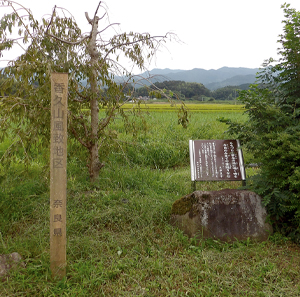
Site of Prince Ōtsu's former residence (Kasuga Shrine, Sakurai City, Nara Prefecture) Memorial stone inscribed with Prince Ōtsu's death poem, placed at the former site of Iware Pond (Kashihara City, Nara Prefecture) Site of the former Iware Pond, now reclaimed (Kashihara City, Nara Prefecture)
9. ConclusionTwo years after Ōtsu's execution, in November 688 CE (the second year of Jitō's reign), Emperor Tenmu's remains were at last interred in the Ōuchi Mausoleum, closing the unprecedented two years and two months of mogari.
In the following January 689 CE (February by the Western calendar), Empress Jitō formally ascended the throne. Then, in May of that same year, Prince Kusakabe died suddenly at the age of twenty-seven, never to succeed.
As for Prince Ōtsu's burial place, one site lies atop the male peak of Mt. Futakami, and another, an anonymous tumulus at Toritaniguchi at its foot. Some suggest the latter is the true grave.
I have visited both sites more than once. At first, my impression was firm: the Toritaniguchi tumulus must be his resting place.
Yet in writing this essay, approaching Ōtsu through the perspective of Empress Jitō, a different thought has struck me: perhaps both are his graves.
The very place-name "Toritaniguchi" hints at a site of exposure. Before the arrival of Buddhism, cremation was unknown. Even after its coming, the bodies of common folk were often abandoned in the mountains. In Kyoto's Toribeno, corpses were suspended in trees to be consumed by birds—a form of sky burial.
Toritaniguchi, lying in the valley at Futakami's base, may have been such a place. If the summit of Mt. Futakami, "Heaven's Futakami," was a sacred source of "heavenly water," then Toritaniguchi was its earthly counterpart: "Earth's Futakami," a realm of the dead.
Thus, the tumulus at Toritaniguchi may have been the first burial site of Prince Ōtsu, executed as a traitor.
Later, when Kusakabe too died an untimely death, the cause was obscured by attributing it to Ōtsu's vengeful spirit.
With Empress Unonosarara enthroned as Empress Jitō, her vision at last reached a milestone. The throne was passed without bloodshed, and together with her late husband Tenmu, she set Japan on its first steps toward a new ritsuryō state.
Her aim was to have the throne succeed not to Kusakabe himself, but to Kusakabe's son, Prince Karu (later Emperor Monmu). Succession to a grandson was unprecedented—save for one mythic precedent. For in the age of the gods, it was Amaterasu Ōmikami who entrusted rule not to her own child, but to her grandson Ninigi no Mikoto, sending him down to earth with the Three Sacred Treasures to govern Japan.
But that is a tale for another chapter.
Tomb of Prince Ōtsu on Mount Futakami (Katsuragi City, Nara Prefecture) Toriyaguchi Tumulus at the foot of Mount Futakami (Katsuragi City, Nara Prefecture) Ryūō Shrine, established to appease the spirit
of Prince Ōtsu (within the grounds of
Shin-Yakushi-ji Temple, Nara)